HVAC replacement planning: costs, tax credits, and the $5,000 rule explained
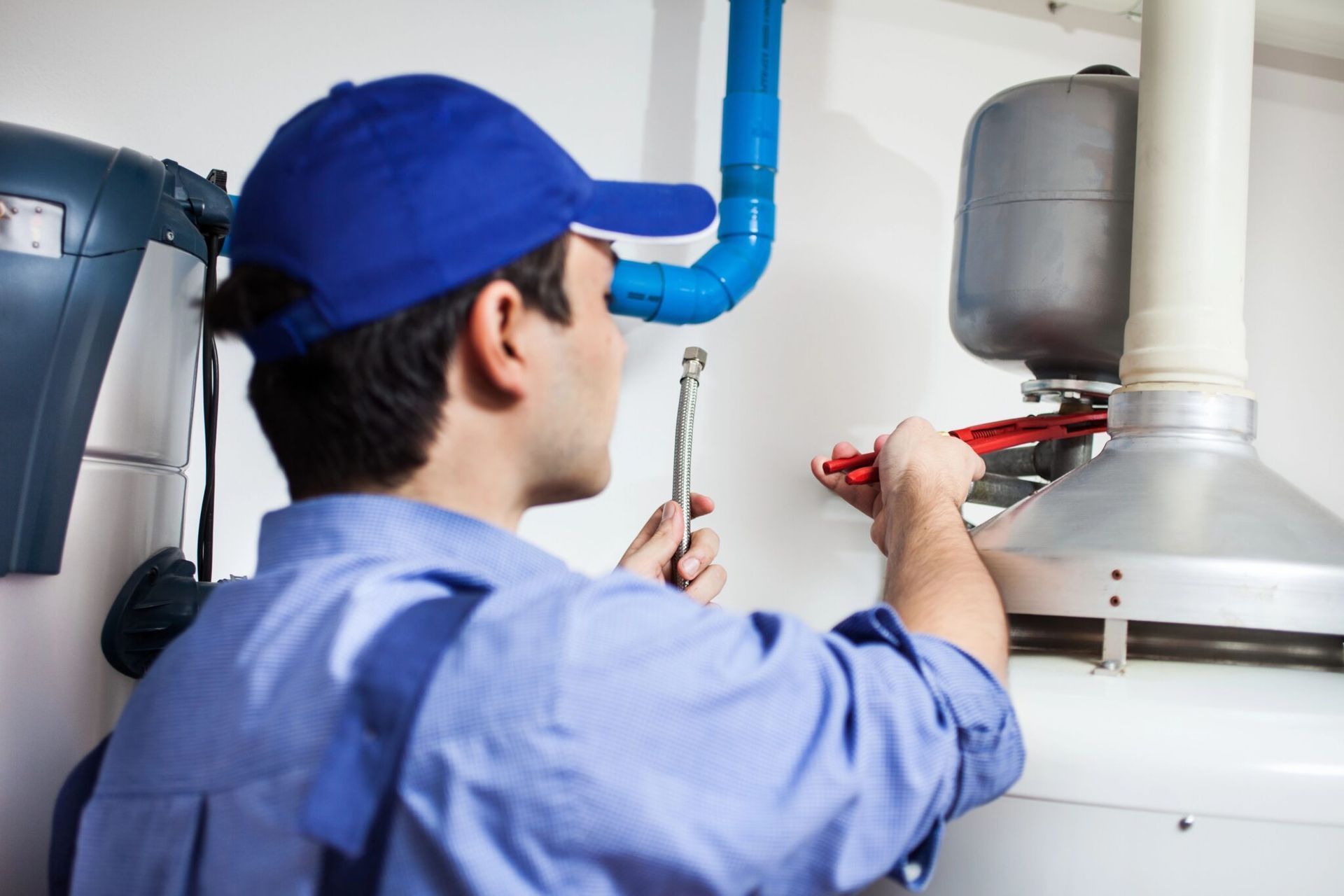
If your furnace limped through winter or your AC struggled last summer, late winter is the right moment to plan a replacement before spring demand spikes. A thoughtful plan can save you money, reduce downtime, and help you capture current incentives.
This guide breaks down typical price ranges for furnace and AC combos by home size and efficiency, the factors that drive costs, how to apply the $5,000 rule for repair vs. replacement, and what to know about federal tax credits. You will also see why booking now sets you up for a smooth spring install.
Modern Heating & Plumbing serves Northern Illinois and Southeast Wisconsin with free estimates, a three-year labor warranty on new HVAC installations, and financing on approved credit. We help you compare options clearly and choose with confidence.
What a replacement typically costs
Prices vary by brand, home layout, and local codes, but here are realistic starting ranges for a complete gas furnace plus central AC replacement, including standard installation. Use these as directional guides, then confirm with a tailored quote for your home.
Small homes or townhomes, roughly 1,000 to 1,500 sq. ft.: $8,500 to $12,500 for a matched 80 to 96 percent AFUE furnace and 13.4 to 15.2 SEER2 AC- Mid-size homes, roughly 1,600 to 2,200 sq. ft.: $10,500 to $16,500 for a 90 to 96 percent AFUE furnace and 14.3 to 17 SEER2 AC
- Larger homes, roughly 2,300 to 3,000+ sq. ft.: $13,000 to $22,000+ for a higher capacity, 95 to 98 percent AFUE furnace and 16 to 20 SEER2 AC
A high-efficiency paired system usually costs more upfront but can lower utility bills and improve comfort and sound levels. Complex duct modifications, electrical upgrades, condensate drainage changes, and local permit requirements can add to the total.
What drives the price
Understanding the cost drivers helps you prioritize what matters most.
Efficiency ratings: SEER2 for cooling and AFUE for gas furnaces are the big variables. Higher ratings improve energy performance and can qualify for incentives, but raise equipment cost.- System size and staging: Correct BTU sizing and equipment type, single-stage, two-stage, or variable-speed, affect both comfort and price. Variable-speed systems modulate output, which often delivers the best comfort and quiet operation.
- Ductwork condition: Leaky, undersized, or unbalanced ducts can undermine any new system. Sealing, resizing, or adding returns increases cost but often pays back in comfort and efficiency.
- Electrical and refrigerant line requirements: Newer outdoor units sometimes need dedicated circuits or updated line sets. Condenser pad, surge protection, and disconnect upgrades can be required by code or best practice.
- Venting and condensate: High-efficiency furnaces need PVC venting and proper condensate drainage. Basements and finished spaces can add complexity.
- Permits and code compliance: Local inspection and permit fees vary. Professional load calculations, test-out documentation, and thermostat upgrades can also be part of a code-compliant install.
The $5,000 rule, explained
The $5,000 rule is a quick way to decide whether to repair or replace older equipment. Multiply the repair cost by the system age in years. If the result is more than $5,000, replacement usually makes better long-term sense.
Example: An 11-year-old furnace needs a $600 repair. 11 x $600 equals $6,600, which suggests replacement is worth considering. This rule does not replace a full evaluation, but it helps you weigh recurring repairs, declining efficiency, and the value of a warranty-backed new system.
How long HVAC systems last
Lifespans vary by maintenance and usage, but most central AC units and gas furnaces last around 10 to 15 years. With regular maintenance, some systems reach 15 to 20 years. If your unit is in that range and repairs are becoming frequent, a planned replacement before failure can prevent an uncomfortable outage.
Best time to buy and schedule
Late winter through early spring is often the best window to buy and schedule a replacement. You will have better appointment availability, time to compare options, and a smoother installation experience before the first warm spell. When the first hot days arrive, lead times can increase quickly.
A quick word on federal tax credits and rebates
At a high level, many high-efficiency HVAC upgrades can qualify for federal incentives under current programs, including certain ENERGY STAR certified heat pumps, central air conditioners, furnaces, and advanced controls. Incentive amounts and product qualification criteria can change and depend on the exact model ratings, such as SEER2, EER2, AFUE, and capacity thresholds.
Because tax situations are personal and incentives evolve, confirm eligibility with your accountant and review local utility programs for possible rebates or low-interest financing. Our team can provide model specifications and documentation so your tax professional can verify credits for your household.
Planning your replacement in three practical steps
- Get a load calculation: Proper sizing ensures comfort, efficiency, and equipment longevity. Avoid one-size-fits-all tonnage guesses.
- Compare two or three matched systems: Look at total installed price, SEER2 and AFUE ratings, stage or variable-speed operation, sound ratings, and warranty coverage. Ask for an apples-to-apples comparison.
- Address the duct system and controls: Sealing, balancing, and a modern thermostat can unlock the full value of a new system.
Why choose Modern Heating & Plumbing
We have served the community since 1948 with a focus on safety, quality, and clear communication. For replacements, we offer free estimates, a three-year labor warranty on new HVAC installations, and financing on approved credit. Our technicians are factory trained, follow code requirements, and complete post-installation testing so your system runs as promised.
If you are in or near Antioch, explore our local service details for HVAC and plumbing support, including scheduling for late winter consultations. Many homeowners also use this time to review indoor air quality options like whole-home filtration and duct cleaning. You can learn more about IAQ solutions and duct services in our Indoor Air Quality section, which includes guidance for duct cleaning in Gurnee and nearby areas.
Learn about service options in your area and request a free estimate in Antioch at our local page for HVAC Antioch: https://www.modernheatingco.com/plumbing-heating-and-cooling-in-antioch-il- Explore whole-home air quality and related services, including duct cleaning options here: https://www.modernheatingco.com/indoor-air-quality
FAQ: quick answers to common questions
- What is the average cost to replace a residential HVAC system? Many homes fall between $10,000 and $18,000 for a matched furnace and AC with standard installation, with small homes sometimes lower and large homes higher. Ductwork, electrical, venting, and efficiency upgrades can add to the total.
- What is the $5,000 rule for HVAC? Multiply the repair cost by the system age. If that number is over $5,000, replacement often makes more sense than another repair, especially for older, less efficient equipment.
- Is my HVAC eligible for a tax credit? Some high-efficiency systems qualify, but it depends on exact performance ratings and current federal rules. Confirm with your accountant, and check state or local utility rebates as well.
- What is the best month to buy an HVAC system? Late winter or early spring often provides better availability and time to compare options before the warm-weather rush.
- How many years will an HVAC last? Most furnaces and central AC units last 10 to 15 years, sometimes longer with consistent maintenance.
Ready to plan before the spring rush
A well-planned replacement balances upfront cost, energy savings potential, and comfort. Start with a professional evaluation, compare a few right-sized options, and confirm which incentives apply to you. If you are in Northern Illinois or Southeast Wisconsin, Modern Heating & Plumbing is ready to help with free estimates, a three-year labor warranty on new HVAC installations, and financing on approved credit. Schedule your late winter visit now so your home is ready for the first warm days of spring.
For homeowners in Waukegan considering a full system upgrade or controls, you can also review our local service hub for HVAC and plumbing support here:
https://www.modernheatingco.com/plumbing-heating-air-conditioning-in-waukegan-il