Winter Boiler Check: Safety, Service, And When To Repair Or Replace
Winter in Northern Illinois and Southeast Wisconsin pushes your boiler hard. When the temperature drops and lake effect winds pick up, you need steady, safe heat. A quick winter check can prevent a mid-season breakdown, protect your home from leaks or carbon monoxide risk, and keep energy costs under control. Here is how to approach boiler safety, what a professional inspection includes, and how to decide whether to repair or replace before deep winter sets in.
Why annual boiler service matters in peak season
Heating demand is highest in winter, which exposes weak parts and small issues that went unnoticed in fall. Annual service helps you avoid surprise shutdowns and keeps your boiler operating within manufacturer specifications. A tuned boiler runs more efficiently, distributes heat evenly to radiators or in-floor loops, and reduces stress on pumps and valves. It also verifies safety controls are functioning, which is essential with gas appliances.
If you have not scheduled this year’s maintenance, do it now to catch small problems before they become big ones. Modern Heating & Plumbing offers a 24/7 answering service so you can reach us when you need to, and our technicians service most boiler makes and models.
What a professional boiler inspection consists of
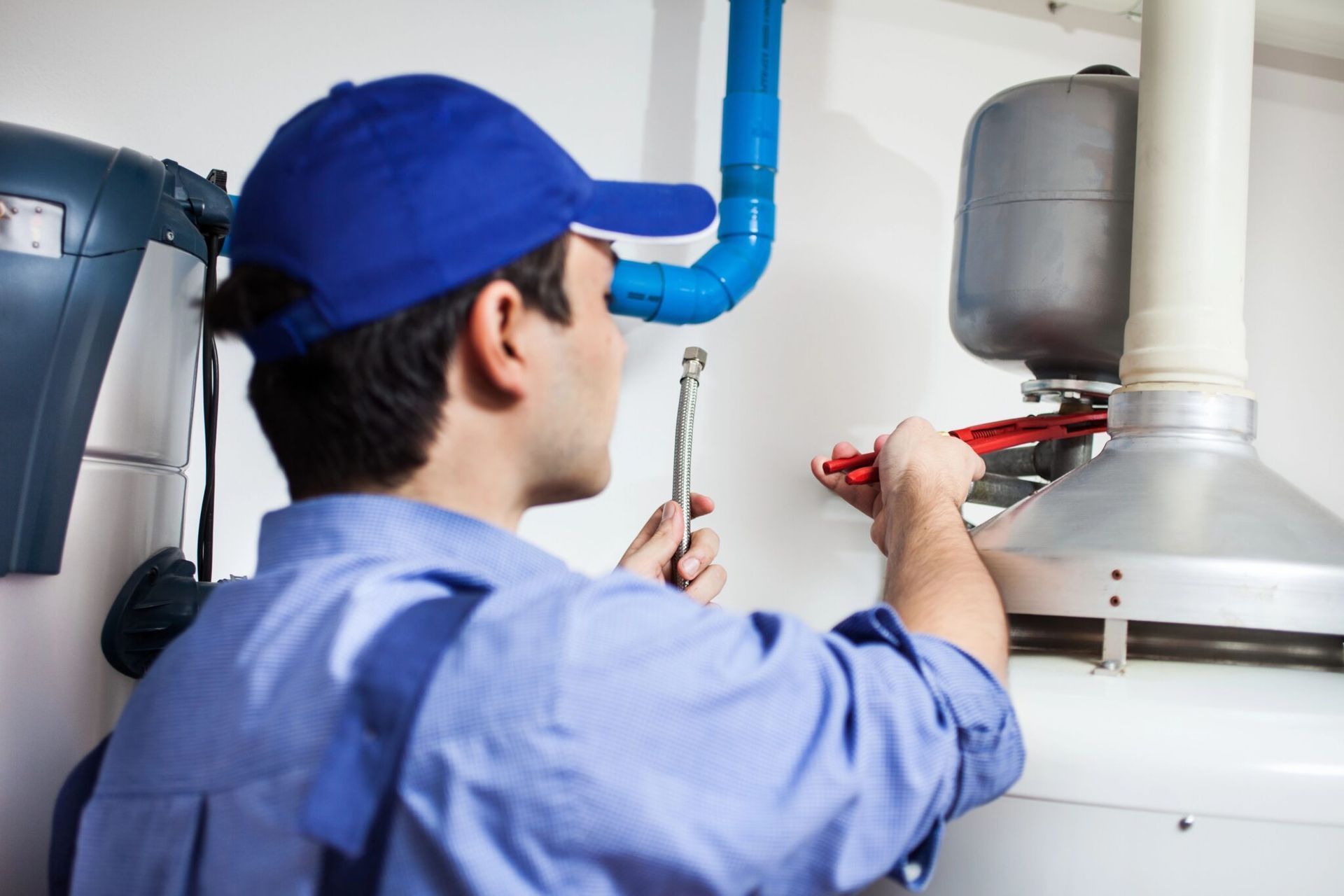
A thorough boiler inspection is systematic and safety focused. Expect your technician to cover:
- Combustion analysis: Measures combustion efficiency and checks for excess carbon monoxide in the flue, ensuring proper fuel-to-air ratio.
- Venting check: Confirms vent pipes are clear, pitched correctly, and sealed, including termination points that can ice up in winter.
- Heat exchanger condition: Looks for cracks, corrosion, or scaling that can reduce efficiency or allow flue gases to mix with indoor air.
- Pressure, expansion tank, and relief valve: Verifies system pressure, confirms the expansion tank is accepting volume changes, and tests the pressure relief valve.
- Pumps, valves, and air separators: Inspects circulator pumps, zone valves, check valves, and air elimination devices for noise, wear, or leaks.
- Safeties and controls: Tests low-water cutoff, flame sensor, ignition system, high-limit switch, and thermostat communication.
- System water quality: Checks for sludge, rust, or mineral content that can cause noisy operation and reduced heat transfer.
- Radiators or in-floor zones: Evaluates balancing, purges air if needed, and confirms consistent temperatures across zones.
That checklist identifies performance issues and safety risks, and it gives you a clear plan for any needed repairs or adjustments.
Signs your boiler needs servicing now
Call a professional if you notice:
- New or worsening noises, such as kettling, banging, grinding, or persistent whooshing.
- Odors, especially a sulfur or metallic smell, or any suspicion of gas. If you smell gas, leave the home and call your utility, then call us.
- Leaks or frequent pressure drops, visible water around the boiler, or water staining below piping.
- Inconsistent heat, cold spots, radiators that do not warm evenly, or zones that short cycle.
- Pilot or burner trouble, repeated resets, yellow or unstable flames, or ignition failures.
- Rising energy bills without a clear reason.
- Frequent top-offs on older systems or air in radiators that keeps returning.
These are red flags that can point to unsafe operation or a pending breakdown. Prompt attention is cheaper and safer than waiting.
How often should a boiler be inspected?
Plan on a professional inspection once a year. The best timing is early fall for proactive care, but mid winter inspections are still valuable if you missed the preseason window. Homes with older boilers, multi zone systems, or hard water may benefit from checkups every 6 to 9 months, especially if you have had recurring issues.
Can you service a boiler yourself?
Short answer, no for anything gas or combustion related. Testing safeties, tuning combustion, and opening fuel components require specialized tools and training. DIY mistakes can lead to carbon monoxide exposure, gas leaks, or water damage. You can safely do a few small tasks, like keeping the area around the boiler clear, checking radiators for air, and noting pressure on the gauge. Leave diagnostics, gas work, venting, and internal repairs to a licensed technician.
What is the typical lifespan of a boiler?
Many residential boilers last around 15 years with proper maintenance. Some cast iron units can last longer with consistent water quality and timely repairs. Signs you are nearing the end include frequent breakdowns, rising energy use, part obsolescence, and heat exchanger deterioration. A well maintained, correctly sized replacement can lower utility costs, improve comfort across zones, and reduce repair stress during winter.
Repair or replace, how to decide
Use these practical tests:
- Age and repair history: If your boiler is 12 to 20 years old and has needed multiple repairs in the last two winters, discuss replacement.
- Safety or heat exchanger issues: Cracks, severe corrosion, or repeated flue gas concerns generally justify replacement.
- Efficiency and comfort: If energy bills keep rising, zones are uneven, or the unit short cycles, a right sized, modern boiler can deliver better comfort at a lower operating cost.
- Parts availability: When critical parts are difficult to source or backordered, proactive replacement protects you from mid season downtime.
A technician can run the numbers on repair costs versus replacement value and help you compare options, including potential incentives and financing.
Preparing your home before the tech arrives
- Clear a path to the boiler and main mechanical room.
- Note any recent noises, leaks, or odor events, including when they occur.
- List every thermostat or zone and describe how each is performing.
- Locate past service records or warranty information if available.
This speeds up diagnostics and ensures nothing important gets missed.
Why homeowners choose Modern Heating & Plumbing
Since 1948, our team has served Northern Illinois and Southeast Wisconsin with straightforward recommendations and careful workmanship. We install, repair, and maintain boilers across homes and light commercial spaces, and we stand behind our work. You get a 24/7 answering service to reach us anytime, factory trained technicians, and clear guidance on repair versus replacement. If a new system is recommended, ask about boiler financing in gurnee to spread costs on approved credit. If you are comparing local providers for combined heating and plumbing support, our technicians also handle broader home needs across the region. Explore our full service capabilities for hvac antioch or schedule an estimate if you are planning ahead.
Ready to schedule, here is your next step
Do not wait for a cold snap to find a weak link in your heating. Call Modern Heating & Plumbing at 847-782-9690 to schedule your boiler inspection or repair. Ask about maintenance plans to keep your system on track and financing if replacement is advised. If you manage commercial properties, we also perform Gurnee commercial boiler repair and installation with minimal downtime.
Summary
- Annual professional boiler service improves safety, efficiency, and winter reliability.
- A full inspection includes combustion analysis, venting checks, heat exchanger evaluation, pressure and expansion tank review, pump and valve testing, and safety control verification.
- Call now if you notice noises, odors, leaks, inconsistent heat, or frequent resets.
- Do not DIY gas or combustion work, keep the area clear and let a pro handle the rest.
- Most boilers last around 15 years, with repair or replacement guided by age, safety, efficiency, and parts availability.
We are here to help you stay warm and safe all winter. Reach out today to get your boiler ready for the cold.