Spring AC tune-ups: what’s included, what it costs, and why it’s worth it
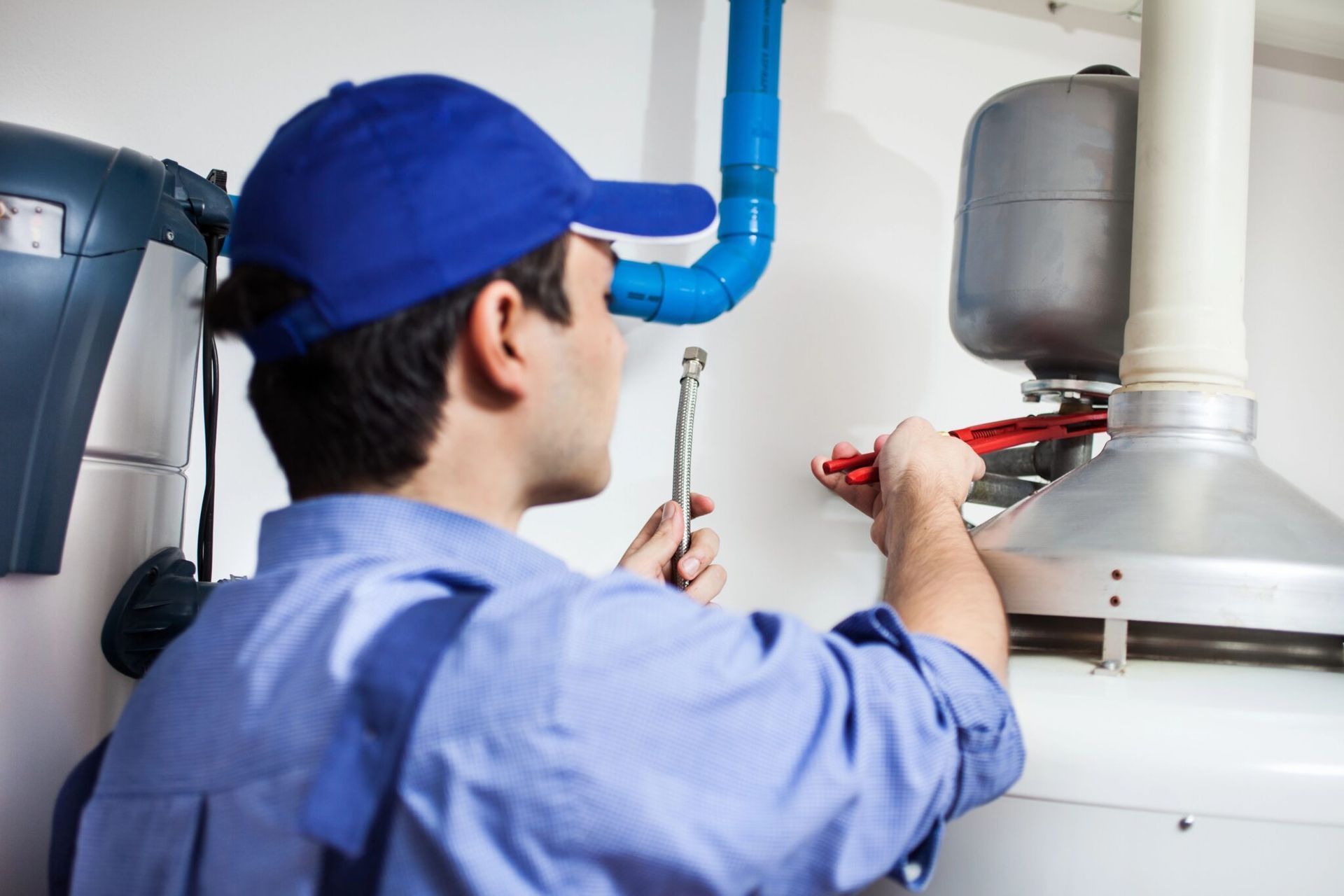
The first warm days often arrive fast. If your air conditioner has been idle since last fall, a spring tune-up helps it start clean, run efficiently, and keep surprises off your summer calendar. It is a small appointment that can prevent big headaches like short cycling, warm rooms, or a sudden spike in your utility bill.
At Modern Heating & Plumbing, we recommend scheduling AC maintenance in spring so a technician can service the system under mild conditions and fix small issues before heat waves strain every component. This guide explains what is included, what you can expect to pay in our area, and why regular service is a smart investment in comfort and equipment life.
What a professional AC tune-up includes
A thorough spring maintenance visit focuses on safety, airflow, efficiency, and early problem detection. While checklists vary by model and condition, you can expect a trained technician to complete the following:
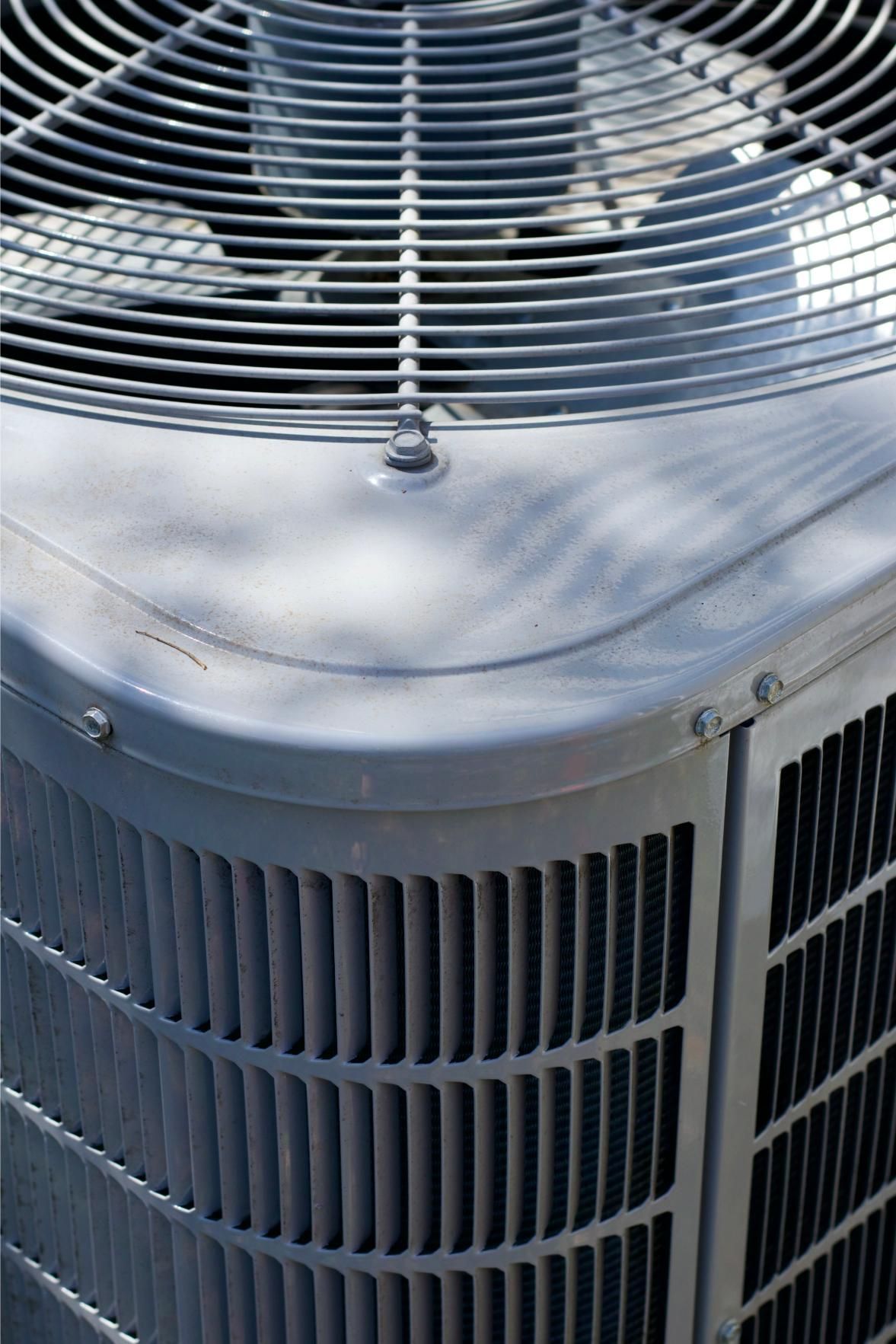
- Coil cleaning: Clean the outdoor condenser coil and inspect the indoor evaporator coil to remove dust and debris that restrict heat transfer and increase energy use.
- Refrigerant check: Verify charge using proper testing. If levels are off, the tech will investigate for leaks before adding refrigerant.
- Electrical tightening and testing: Inspect contactors, capacitors, relays, and wiring. Tighten loose connections that can cause hard starts or intermittent shutdowns.
- Airflow verification: Measure temperature split and static pressure, confirm blower speed settings, and look for duct restrictions or leaks that cause uneven rooms or noise.
- Thermostat calibration: Confirm the thermostat is level, set correctly, and communicating with the system. Calibrate and update programming if needed.
- Condensate drain service: Clear and flush the drain line and pan to prevent water damage or musty odors.
- Lubrication and moving parts: Lubricate where the manufacturer specifies to reduce wear.
- Filter guidance: Check your current filter type and condition, confirm correct MERV rating for your system, and recommend a replacement interval based on pets, allergies, and usage.
These steps work together. For example, clean coils and correct refrigerant charge lower runtime, which reduces wear on electrical parts and helps maintain steady indoor humidity.
Typical pricing in our area
Air conditioner maintenance pricing can vary with system type, accessibility, and add-on services like deep evaporator coil cleaning. In Northern Illinois and Southeast Wisconsin, a standard single-system tune-up typically falls in the range of $99 to $189. Multi-system homes, high-efficiency models with specialized components, or hard-to-access indoor coils can increase the total. If needed, repairs are quoted separately after we explain the findings.
If you are planning a replacement rather than a tune-up, request a tailored quote. Factors such as equipment brand, SEER2 rating, ductwork condition, electrical upgrades, and condensate routing can change project scope. Our team provides free estimates for replacements and can walk you through incentives and financing on approved credit.
How maintenance prevents common AC problems
Regular service targets the root causes of many nuisance issues:
- Short cycling: Loose electrical connections, weak capacitors, dirty coils, and improper refrigerant charge can cause rapid on-off behavior. Tune-ups test and correct these conditions.
- Poor cooling or warm air: Blocked coils, clogged filters, or low refrigerant reduce heat removal. Cleaning and charge checks restore performance.
- High energy bills: Restricted airflow and fouled coils make the system run longer. Cleaning, airflow balancing, and proper setup reduce runtime.
- Musty odors or water near the furnace: A blocked condensate drain can overflow. Spring service clears the line and treats the pan to prevent algae buildup.
- Noisy operation: Debris around the outdoor unit, loose panels, or failing fan motors can create rattles or grinding sounds. Inspections catch mechanical issues early.
Catching these items before the first heat wave prevents emergency calls and helps your system deliver stable temperatures and better humidity control all summer.
How often AC service is needed
For central AC systems, schedule maintenance once a year in spring. Heat pumps that provide both heating and cooling benefit from two visits per year, typically after summer and after winter. If your AC is older, has a history of leaks or electrical issues, or serves a home with heavy dust and pet hair, a more proactive schedule can be helpful. Ask the technician to recommend an interval based on your system’s condition.
A quick homeowner checklist between visits
Keeping a few basics in shape between tune-ups goes a long way:
- Replace or clean filters on schedule. Standard 1 inch filters are often changed every 1 to 3 months. Many 4 to 5 inch filters last 6 to 12 months, depending on home conditions.
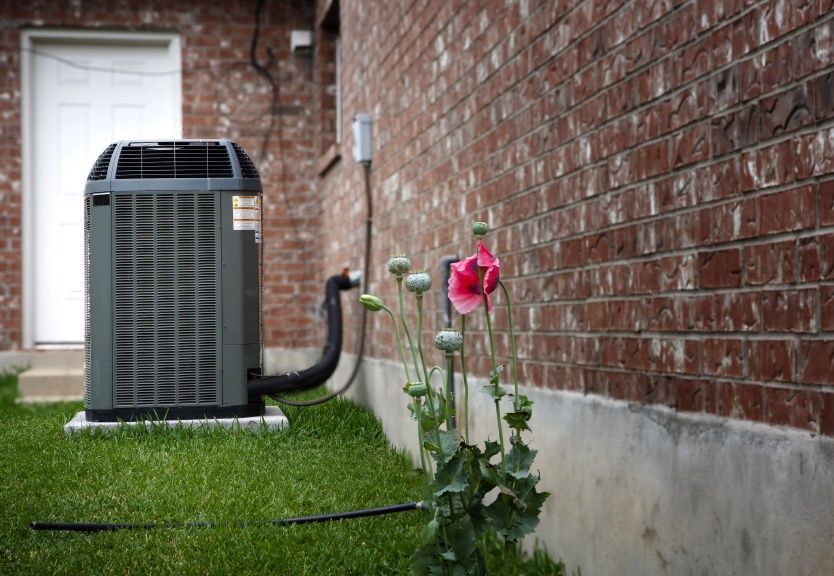
- Clear the outdoor unit. Maintain at least 2 feet of clearance. Remove leaves, grass clippings, and covers before starting the system.
- Set the thermostat to cool and verify the temperature. Replace batteries if applicable, and use gradual setpoint changes.
- Check supply and return vents. Open and unblocked vents protect airflow and reduce noise.
- Watch for warning signs. Ice on refrigerant lines, warm air from vents, unusual noises, or water near the indoor unit are reasons to call.
If you suspect duct dust buildup or lingering odors, ask about whole-home air quality solutions that include filtration and humidity control. For more on IAQ options, explore our page on indoor air quality and related services in the Gurnee area.
Is AC service worth the money?
Yes, for most homes an annual tune-up pays off in three ways. First, it lowers the chance of a mid-season breakdown by catching components that are near failure. Second, it supports efficiency by keeping coils clean and refrigerant levels correct, which helps control monthly energy costs. Third, it can extend equipment life by reducing heat and electrical stress, which often delays big-ticket replacements. While no maintenance plan eliminates every repair, it improves your odds and provides documented care for manufacturer warranty support.
FAQs
- How much should an air con service cost? In our region, a typical maintenance visit for one central AC system usually ranges from $99 to $189, with additional costs for deep cleaning or repairs as needed.
- How often should an AC system be serviced? Once a year in spring for central AC. Heat pumps typically need twice-yearly service.
- What are common AC problems? Short cycling, weak cooling, high bills, water near the furnace from a clogged condensate drain, noisy operation, and uneven temperatures. Many trace back to dirty coils, airflow restrictions, or refrigerant and electrical issues.
- Is AC service worth the money? Usually yes. It reduces breakdown risk, helps control energy use, and can lengthen system life.
- How long does a full HVAC installation take? Most standard residential replacements are completed in one day, though complex projects, duct modifications, electrical upgrades, or multiple system installs can take longer. Exact timelines vary by home and scope.
Ready to schedule spring AC maintenance?
Modern Heating & Plumbing has served Northern Illinois and Southeast Wisconsin since 1948. Our factory-trained technicians focus on safety, transparency, and reliable results. Call 847-782-9690 to schedule your spring tune-up, request a free estimate for replacement, or ask about current promotions. We also offer financing on approved credit for replacement projects. If you are comparing options for AC service in the Antioch area, you can learn more about our local support for HVAC in Antioch on our regional page. For broader indoor air quality solutions, see our overview of services for duct cleaning and air quality in Gurnee, IL.
A well-timed tune-up sets your system up for a smoother summer. Clean coils, correct charge, tight electrical connections, and verified airflow add up to fewer surprises, lower stress on components, and better comfort when the heat arrives. Schedule early and enjoy the season.